Brent tops $90 as Hormuz tensions flare: what it could mean for Türkiye and global markets
Brent began the week almost 3% higher. Whether that move lasts will depend less on the headline alone than on tanker traffic through Hormuz and the limited capacity of alternative export routes.
In this article
What happened?
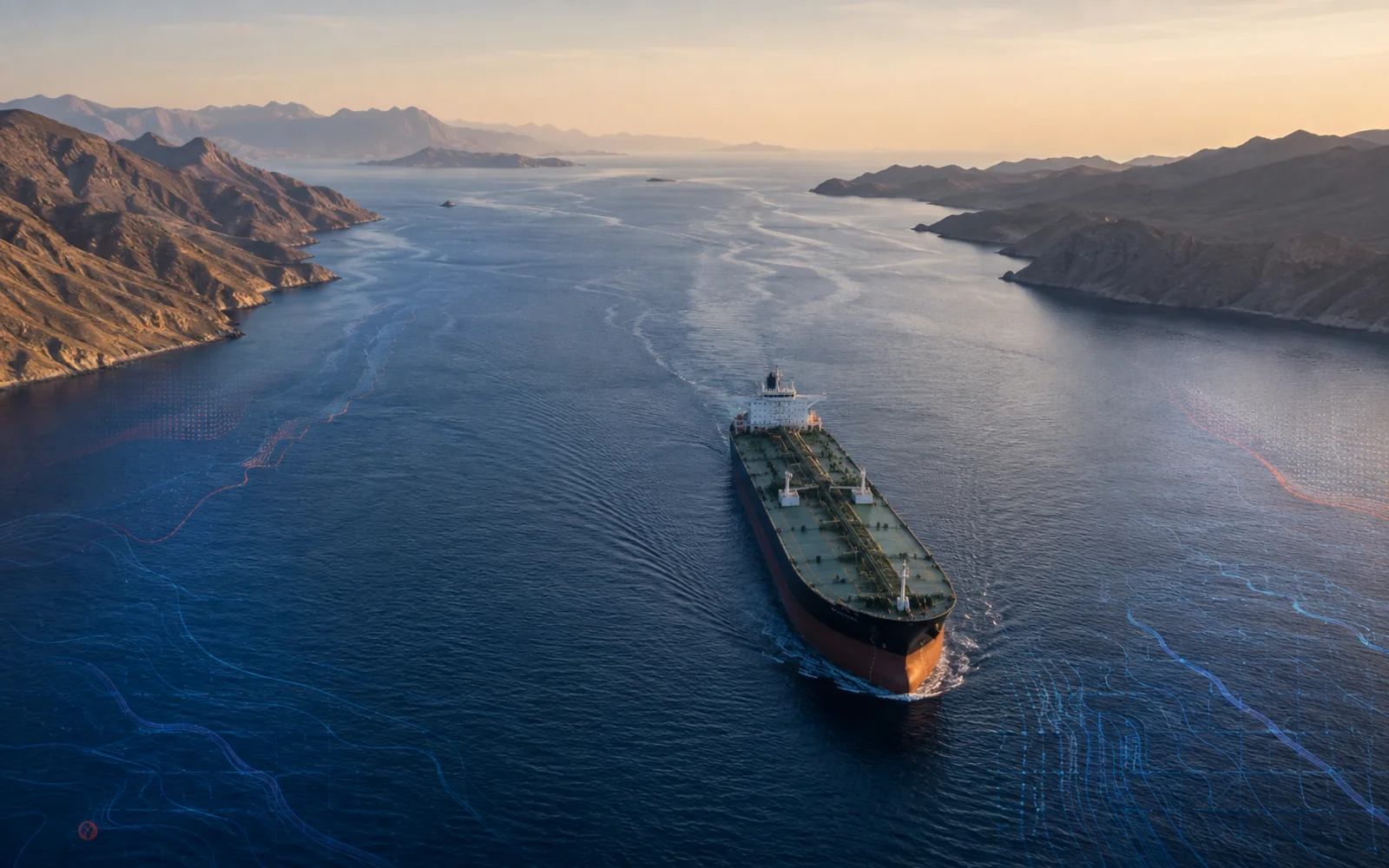
Reuters reported that a US strike on Iranian missile launchers on Larak Island in the Strait of Hormuz, followed by Iranian retaliation, renewed tensions in a conflict now entering its seventh month. On the morning of August 31, Brent futures reached $90.61 a barrel and US West Texas Intermediate rose to $85.53. Both benchmarks gained more than 2.5% as markets priced the risk that the escalation could reach energy infrastructure and commercial shipping.
Why Hormuz sits at the center of oil pricing
The IEA estimates that nearly 20 million barrels a day of oil were exported through the Strait in 2025. Almost 15 million barrels a day were crude and condensate, equal to roughly 34% of global crude trade. Saudi Arabia and the United Arab Emirates have pipelines that bypass the waterway, but the IEA estimates their available capacity at only 3.5–5.5 million barrels a day. A lasting disruption therefore cannot be fully replaced by the existing alternatives.
Is $90 a durable threshold?
One morning above $90 does not establish a new price regime. A sustained move would normally require physical signals such as fewer vessel transits, production shut-ins, higher insurance costs or a further breakdown in diplomacy. Conversely, improving traffic and contained military action can remove the risk premium quickly. The EIA’s August outlook projected an average Brent price of about $85 in the third quarter; the current spot move is above that figure, but a daily price and a quarterly average are not directly comparable.
What it means for fuel and inflation in Türkiye
Turkish pump prices do not move with Brent alone. Mediterranean product prices, USD/TRY, taxes, refining and distribution costs all matter. Brent holding above $90 while the lira weakens could put upward pressure on diesel and gasoline costs, but one session cannot establish the date or size of a retail-price change. A persistent energy-cost shock can feed more broadly into consumer inflation through transport, manufacturing and food logistics.
The current account, equities and gram gold
A higher energy import bill can weigh on Türkiye’s trade and current-account balance. Equity effects vary by company: refining margins, pricing power and inventory effects matter for energy producers, while fuel and input costs become more important for airlines, logistics, chemicals and energy-intensive manufacturers. Gram gold also carries several forces at once. Geopolitical safe-haven demand may help bullion, while a firmer dollar and higher global interest rates may work in the opposite direction.
What to watch next
The first test is the number and volume of tankers transiting Hormuz. Investors will also watch whether Brent holds around $90, whether the futures curve signals near-term scarcity, any fresh attacks on energy infrastructure, official US and Iranian statements, and weekly petroleum inventories. For Türkiye, USD/TRY, Mediterranean diesel and gasoline benchmarks, and inflation expectations should be read together. This article is not investment advice.
Related analysis
All news →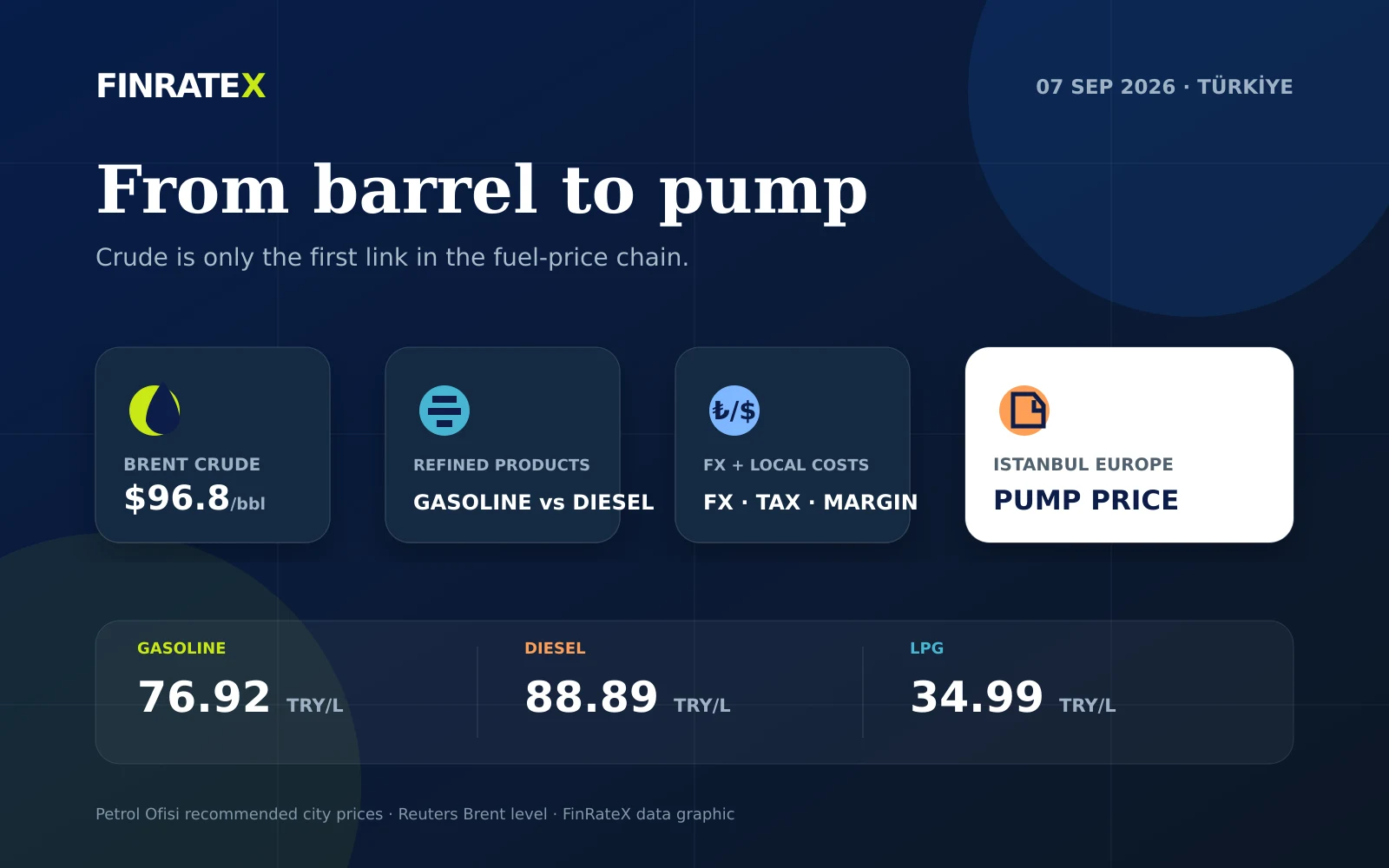 Gold, energy and commodities
Türkiye fuel prices on September 7, 2026: why diesel is moving differently
 Gold, energy and commodities
What happened at Niger’s Goumeri W-8 oil well—and what can it tell us about prices?
 Gold, energy and commodities