Fed Chair Warsh’s Jackson Hole signal: inflation first, AI enters the policy map
Fed Chair Kevin Warsh said inflation remains above target while describing artificial intelligence as a new variable for growth, productivity and monetary policy.
In this article
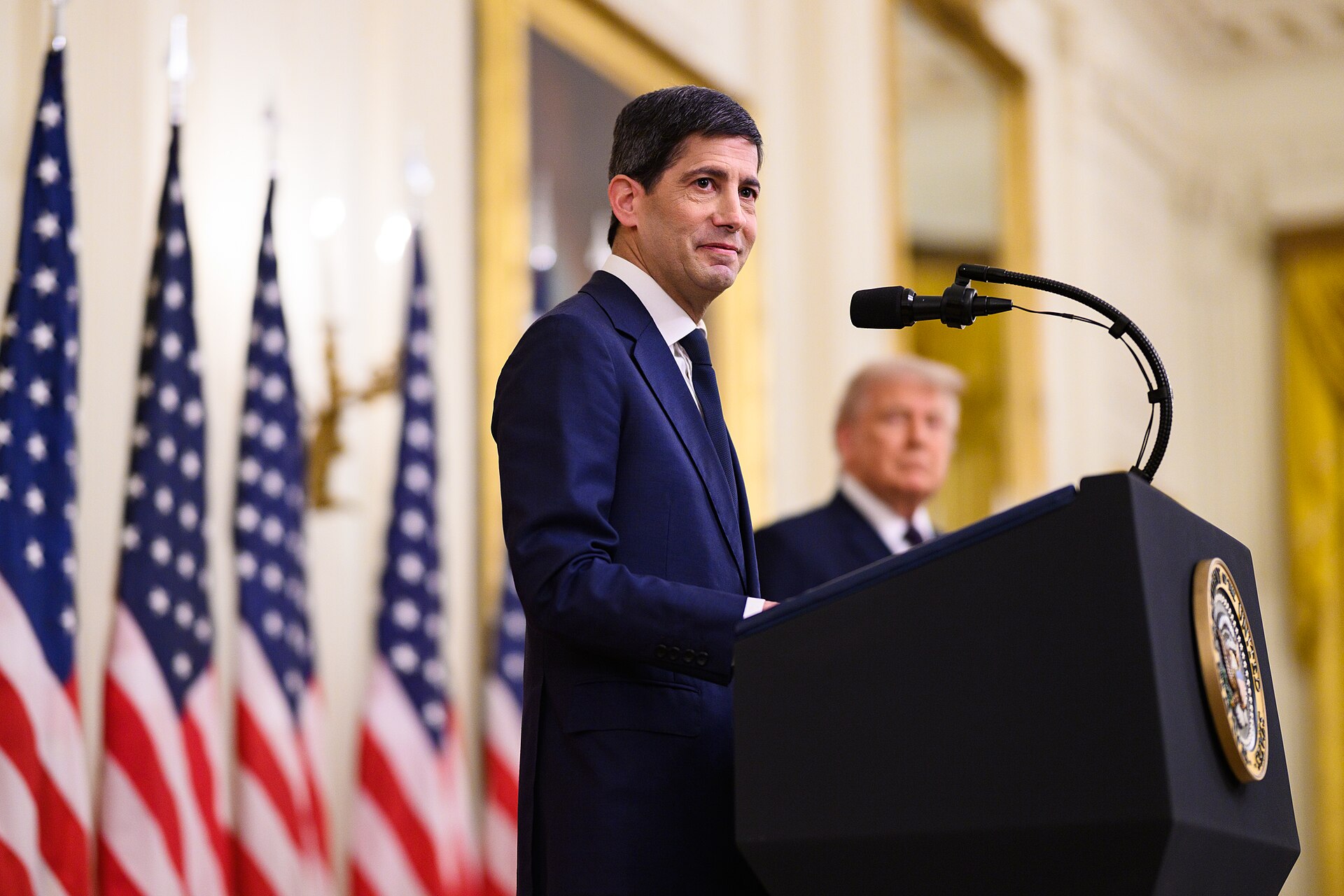
The message in brief
Warsh described the US economy and labor market as resilient but said the price-stability job is unfinished. His clearest anchor was that the 2% PCE inflation objective remains fixed. That points to a focus on the direction, breadth and speed of inflation rather than one isolated release.
What changed for rate expectations?
The speech offered no preset rate path. Warsh instead argued for limiting routine forward guidance in normal times and preserving decision flexibility. For markets, incoming inflation, employment, credit and commodity data may therefore carry more weight before each meeting, while trades anchored too heavily to a projected path may become more fragile.
Possible effects on the dollar, gold and bonds
Above-target inflation and financial conditions that are not broadly restrictive can, all else equal, limit expectations for rapid rate cuts. This may support the dollar and short-duration yields while creating a near-term headwind for non-yielding gold. Geopolitics, central-bank demand and real yields remain separate drivers.
Why AI became a monetary-policy question
Warsh said the Fed is studying whether AI can deliver a sustained productivity gain, whether it complements or competes with labor, and where returns accrue across chips, energy, cloud infrastructure and model providers. Higher productivity could allow faster growth without equivalent inflation, while the infrastructure buildout can also lift demand for power and capital.
What investors should monitor next
Headline and core PCE trends, jobless claims, credit spreads, commodity prices and corporate AI investment will be important in the months ahead. This article is not investment advice.
 Global economy
 Gold, energy and commodities
 Türkiye economy